The other day, I was cutting my daughter’s toenail and she wasn’t happy about it….AT ALL!
She kept insisting she could do it herself, which was precisely how we had ended up with rather overgrown toenails in the first place.
So this time, Mum wasn’t negotiating.
In her frustration, she looked at me and asked: “Mum, why are you insisting on cutting my nails? Do you think there is candy there?”
I didn’t know whether to laugh or get annoyed.
It was funny. Very funny, actually. I briefly wondered whether I had a future comedian on my hands.
But later, her question stayed with me for a completely different reason.
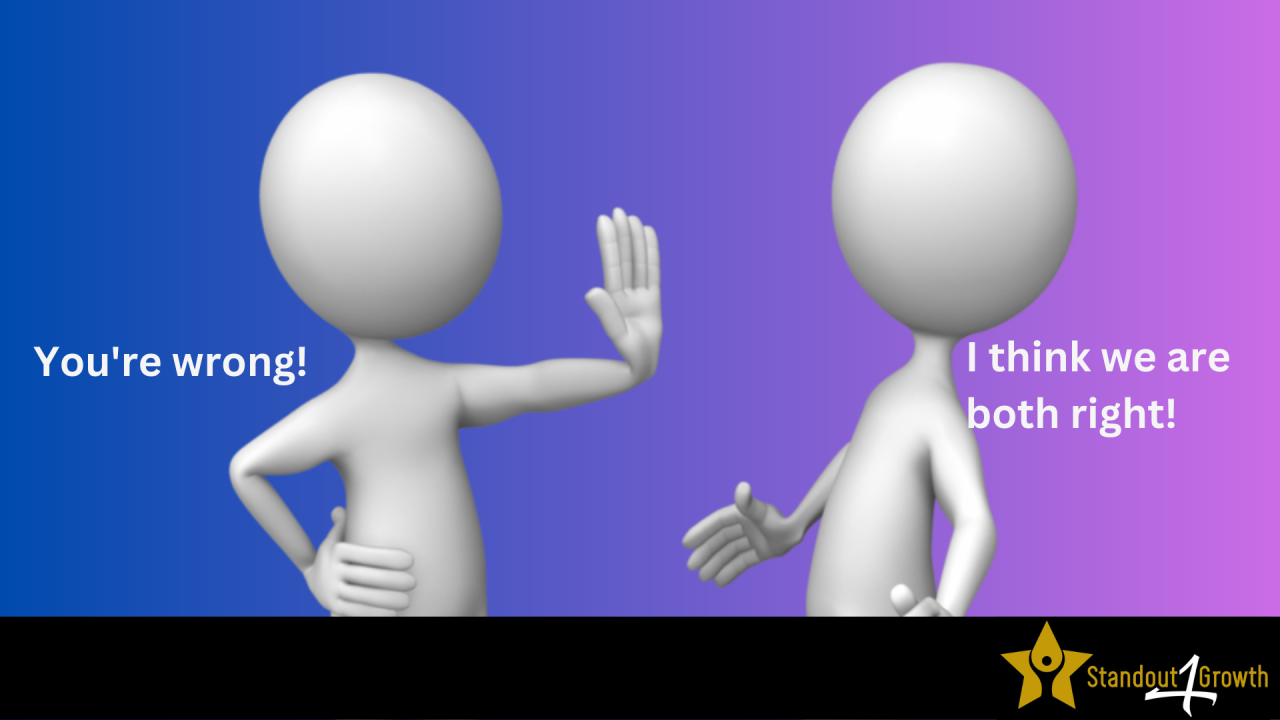
She and I were experiencing exactly the same moment, but we had two very different interpretations of it.
I saw a job that needed to be done, she apparently saw a mother behaving with a suspicious level of interest in her toenails.
Same situation. Different story.
And the more I thought about it, the more I realised how often this happens in our careers too.
The story you know versus the story people see
You know how hard you work, you know the difficult projects you have handled, the problems you have solved and the experience you have accumulated over the years, you also know how much you have grown.
But, how much of that can everybody else see?
If someone who had never worked with you looked at your LinkedIn profile today, what would they conclude?
If your name came up in a room when you were not there, what would people say you were particularly good at?
If an opportunity appeared tomorrow, would the people making the decision understand why you should be part of the conversation?
That gap between what you know about yourself and what other people understand about you is where personal branding becomes important.
Your work does not always speak for itself
For a long time, many of us were taught that if you work hard and do good work, people will notice. Sometimes they do, most times, they do not.
People are busy. Organisations are large. Networks extend far beyond the people we work with every day. Opportunities increasingly come from people who may never have sat in a meeting with us.
They cannot see the late nights, the difficult decisions or the quiet wins. What they see is what is available to them.
Your profile, your conversations, the ideas you contribute, the work other people associate with your name and what comes up when somebody searches for you.
None of those things tells your entire story, but together, they give people enough information to form an impression.
If you don’t help provide the context, people will still form the story. They will simply form it from whatever information they have.
This is where personal branding comes in.
The unfortunate thing is that it gets reduced to posting more frequently on LinkedIn, taking professional photographs or trying to become an “influencer.” And while those things may play a role, they are not the point.
For me, personal branding starts much earlier.
It starts with being able to answer some deceptively difficult questions.
-
What do I want to be known for?
-
What value do I consistently bring?
-
What evidence do I have to support that?
-
Who needs to know?
-
And when people encounter me professionally, does what they see reinforce that story?
You don’t need everybody to know you, you just need the right people to understand you.
A strong personal brand is created by becoming clearer about the value that is already there, building the evidence around it and communicating it consistently.
What is your second story?
This brings me back to my daughter and her apparently very valuable toenails.
There was the story I knew: Mum is cutting nails that desperately need cutting.
And there was the story she constructed from where she was sitting: Mum is unusually interested in my toes. There must be candy involved.
Our careers have second stories too.
There is the story we believe our experience tells….. And then there is the story somebody else constructs from what they can actually see.
The question is whether those two stories are close enough.
So perhaps it is worth asking yourself: If someone encountered my professional brand today, without the benefit of knowing everything I know about myself, what story would they tell?
And more importantly: Is it the story I want to be known for?
If the answer is not quite, that is work worth doing.
Our next Career Breakthrough Accelerator cohort starts on 12 October.
Over six weeks, we will work through your positioning, your credibility story, your LinkedIn presence, your visibility and how you can use AI to support your personal brand without losing your own voice.
Not to manufacture a new professional identity, but to make it easier for people to see and understand the value you have already spent years building.
People will form a story about you either way, personal branding gives you a chance to help shape it.
Learn more about the Career Breakthrough Accelerator and join the 12 October cohort
Your personal brand ensures your career has a second story worth telling, don’t let other people define that story for you.